
Brasil++
Artificial Intelligence and Innovation in Cervical Cancer Diagnosis.
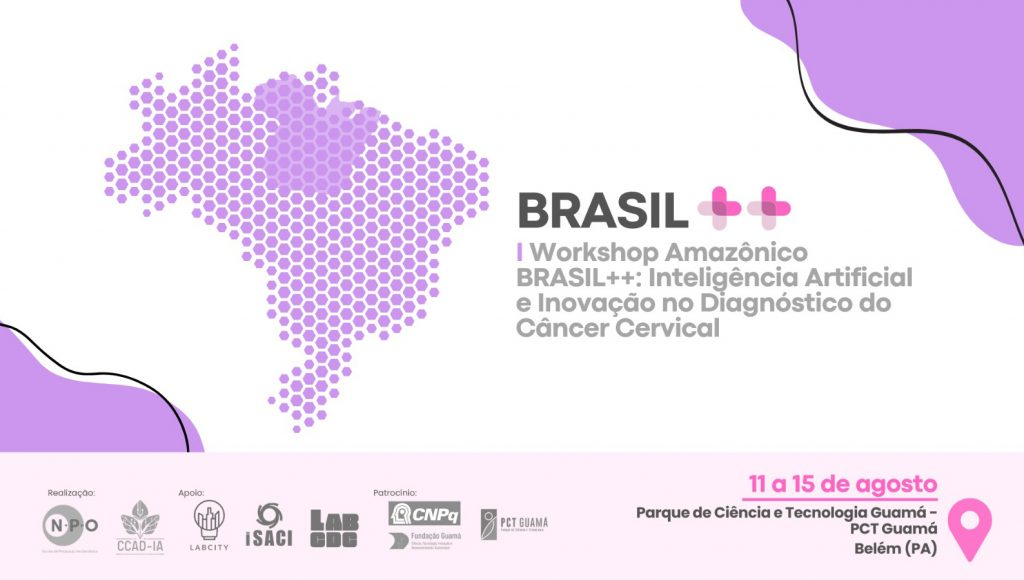
About the Project
The Pap smear test plays a vital role in the early detection of cervical abnormalities, including precancerous lesions and infections. However, traditional analysis faces challenges such as delays and limited coverage, compromising effective screening and timely treatment. In this context, the present project is structured as an international multidisciplinary cooperation network involving renowned experts from different fields, working on an innovative proposal aimed at overcoming these limitations through the application of Artificial Intelligence (AI) and data analytics, with special emphasis on remote regions and socially vulnerable communities.
The proposal includes the development of an AI-based system for real-time processing of Pap smear exam images, as well as an automated system for scheduling medical appointments and follow-up examinations. To achieve this, the cooperation network collaborates closely to enhance the proposed AI-assisted diagnostic system for Pap smear tests, fostering continuous knowledge exchange and the integration of diverse areas of expertise. This approach seeks to significantly improve access to diagnosis and treatment, reduce waiting times, and enable early intervention.
The project’s innovation lies in the application of advanced Computer Vision and Deep Learning techniques to provide fast and accurate pre-diagnosis. In addition, data analysis from institutions such as the Brazilian Institute of Geography and Statistics (IBGE), the Department of Informatics of the Brazilian Unified Health System (DATASUS), and the World Health Organization (WHO) will enable the identification of factors affecting test coverage and support the improvement of public policies to combat cervical cancer.
A pilot project will be conducted in the Brazilian Amazon, using an online system for image submission, analysis, and automated scheduling. International collaboration is essential to ensure the high quality and relevance of the system, benefiting patients in vulnerable communities and strengthening Brazil’s Unified Health System (SUS).
Research Lines
Partnerships
Interested in the results?
Access the public reports or contact our team.